
The world of management consulting is transforming at record speed in 2026, driven by digital disruption and rising client expectations. To thrive, organizations need management consulting tools that unlock innovation, deliver actionable insights, and help them stay ahead in a fiercely competitive market.
This article uncovers the eight essential management consulting tools every forward-thinking leader needs to succeed. Discover how adopting these advanced solutions empowers your team to solve complex business challenges, foster continuous improvement, and secure a lasting edge. Ready to future-proof your strategy? Let’s explore the tools shaping consulting success in 2026.
The Changing Landscape of Management Consulting in 2026
As the business environment accelerates toward a digital-first future, management consulting tools are undergoing a rapid transformation. The consulting landscape in 2026 is being reshaped by new technologies, shifting client expectations, and a relentless demand for measurable results. Organizations are seeking smarter ways to solve complex challenges, making the right tools more critical than ever.

Key Trends Shaping Consulting
Several powerful trends are redefining management consulting tools in 2026. Digital transformation and AI integration top the list, driving consultants to adopt smarter, automated solutions. The need for data-driven decision-making is pushing firms to invest in advanced analytics platforms. Agile, client-centric models are becoming standard, enabling rapid adaptation to market shifts.
Sustainability and ESG priorities are influencing consulting strategies, while remote and hybrid engagements are now commonplace. For example, AI-powered analytics platforms are revolutionizing how firms deliver projects, enhancing speed and accuracy. For a comprehensive look at these shifts, see the Top 10 Consulting Industry Trends 2026.
Challenges Facing Organizations
Organizations are facing unprecedented challenges that demand innovative management consulting tools. Economic uncertainty and market volatility make strategic planning more complex. Talent shortages and the ongoing need for upskilling put pressure on leadership to adapt quickly.
Managing change across distributed teams, along with growing regulatory demands, adds further complexity. Companies operating in global markets often struggle to keep pace with rapid regulatory changes, highlighting the necessity for adaptable solutions. These challenges underscore why the right tools are essential for navigating 2026's business landscape.
The Role of Tools in Driving Success
Management consulting tools are now central to delivering value. These tools empower consultants to provide actionable insights with greater speed and precision. Enhanced collaboration, innovation, and effective implementation are all made possible through advanced platforms.
They support scenario planning, risk assessment, and performance tracking, helping organizations stay ahead. For instance, digital dashboards allow real-time KPI monitoring, enabling quick adjustments to strategy. This evolution in tool usage is redefining what success looks like for consulting engagements.
Why 2026 Demands a New Toolkit
Legacy solutions often fail to meet the demands of today's dynamic environment, making new management consulting tools essential. The need for adaptable, scalable, and integrated platforms is clear as organizations face increasing complexity.
Competitive advantage in 2026 depends on selecting and effectively utilizing next-generation tools. Firms that embrace these innovations are already outperforming peers on innovation metrics. Adopting the right toolkit is no longer optional, but a necessity for forward-thinking organizations.
8 Essential Management Consulting Tools for 2026
In 2026, staying ahead in consulting means leveraging the most advanced management consulting tools available. These tools empower teams to solve complex business problems, streamline operations, and deliver measurable results. For a detailed look at how these solutions are reshaping the industry, see the Essential Consulting Tools Overview.
Below, we highlight eight game-changing platforms and methodologies defining management consulting tools for future-ready organizations.
1. AI-Powered Business Model Canvas Platforms
AI-powered platforms are transforming the way consultants approach business model innovation. These management consulting tools offer dynamic modeling, real-time scenario analysis, and AI-driven insights.
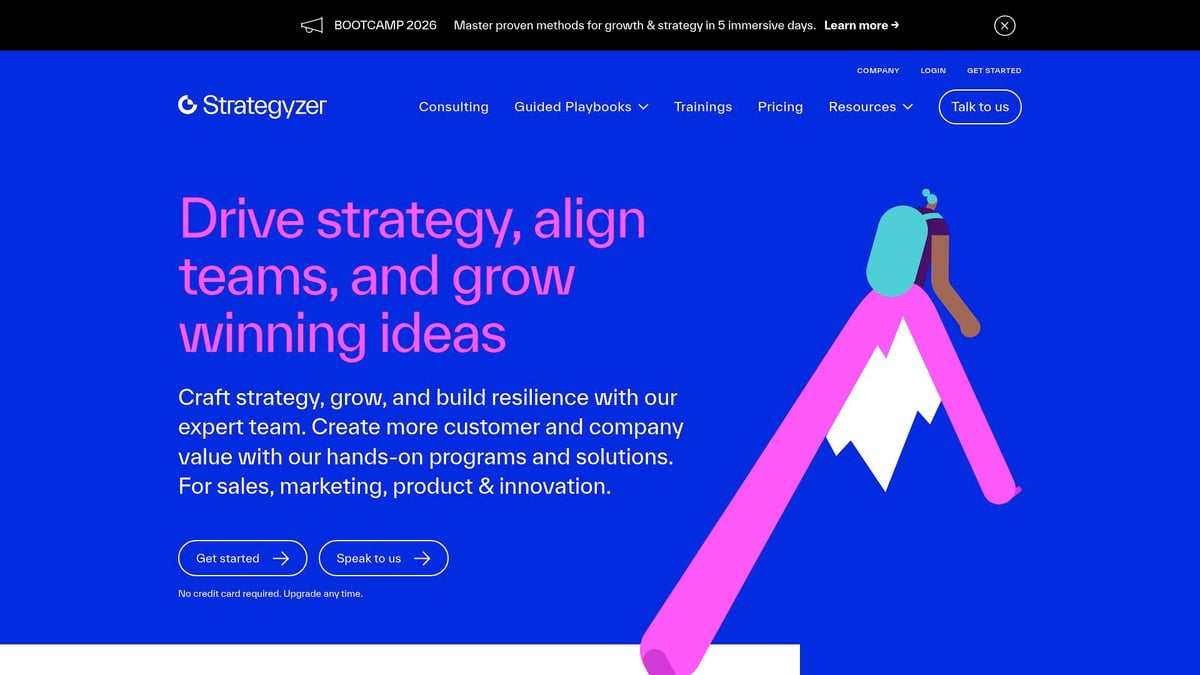
With these tools, teams can visualize, test, and iterate business models in minutes. This agility accelerates innovation cycles and reduces time-to-market. The collaborative features support remote consulting, making them ideal for distributed teams.
Key Benefits:
- Integrates with financial planning management consulting tools
- Supports live collaboration and version control
- Enhances strategic decision-making
Potential Drawbacks:
- Steep learning curve for consultants used to traditional approaches
Use Case: In 2026, a multinational leveraged an AI-powered canvas to pivot rapidly into digital services, aligning its business model with emerging market demands.
These management consulting tools are essential for strategy consultants and innovation leaders aiming for disruptive growth.
2. Digital Transformation Frameworks & Diagnostic Tools
Digital transformation is a top priority for modern organizations. Advanced frameworks and diagnostic management consulting tools provide comprehensive digital maturity assessments and transformation roadmaps.

These solutions help identify digital gaps, benchmark progress, and align technology investments with business strategy. Consultants use them to prioritize initiatives and guide clients through complex change journeys.
Key Benefits:
- Customizable assessments tailored to industry needs
- Seamless integration with legacy and modern systems
- Real-time tracking of digital initiatives
Potential Drawbacks:
- Requires significant upfront data collection
Use Case: Deloitte’s digital diagnostic tool enabled a retail chain to expand its omnichannel presence, improving customer experiences across all touchpoints.
Management consulting tools like these enable consultants to deliver measurable transformation outcomes.
3. Six Paths Consulting: AI-Powered Strategic Innovation
Innovation is at the core of sustainable growth, and AI-powered strategic management consulting tools from Six Paths Consulting are leading the charge. These tools combine Blue Ocean Strategy, AI-driven market analysis, and design thinking workshops.
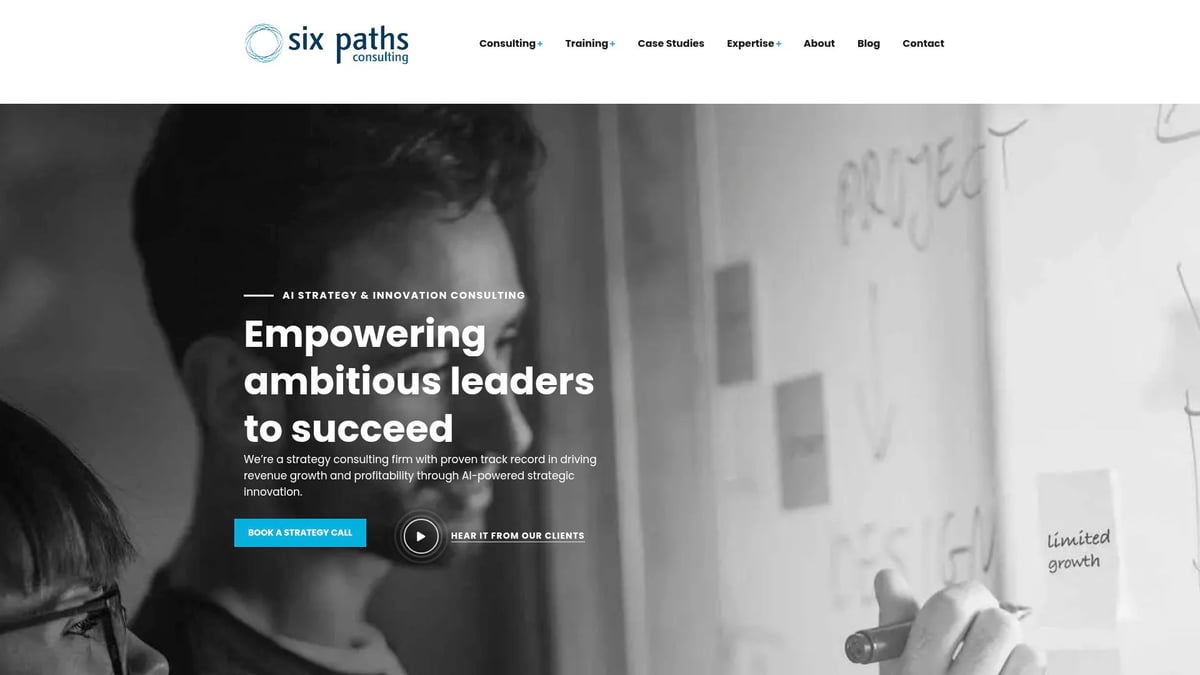
Consultants use them to identify new opportunities, develop breakthrough business models, and foster a culture of innovation. The approach is highly collaborative, with tailored solutions for each client.
Key Benefits:
- Deep cross-industry expertise
- Empowerment through innovation capability building
- Proven methodologies for future-proof growth
Potential Drawbacks:
- Custom pricing requires consultation for detailed proposals
Use Case: Six Paths supported a healthcare firm in launching a digital health venture, accelerating its entry into new markets with robust management consulting tools.
These tools are ideal for C-suite leaders and organizations seeking a sustainable edge.
4. Change Management Platforms (e.g., Prosci ADKAR Model Tools)
Change management remains critical in successful transformations. Platforms based on the Prosci ADKAR model deliver structured processes, readiness assessments, and stakeholder engagement tracking.
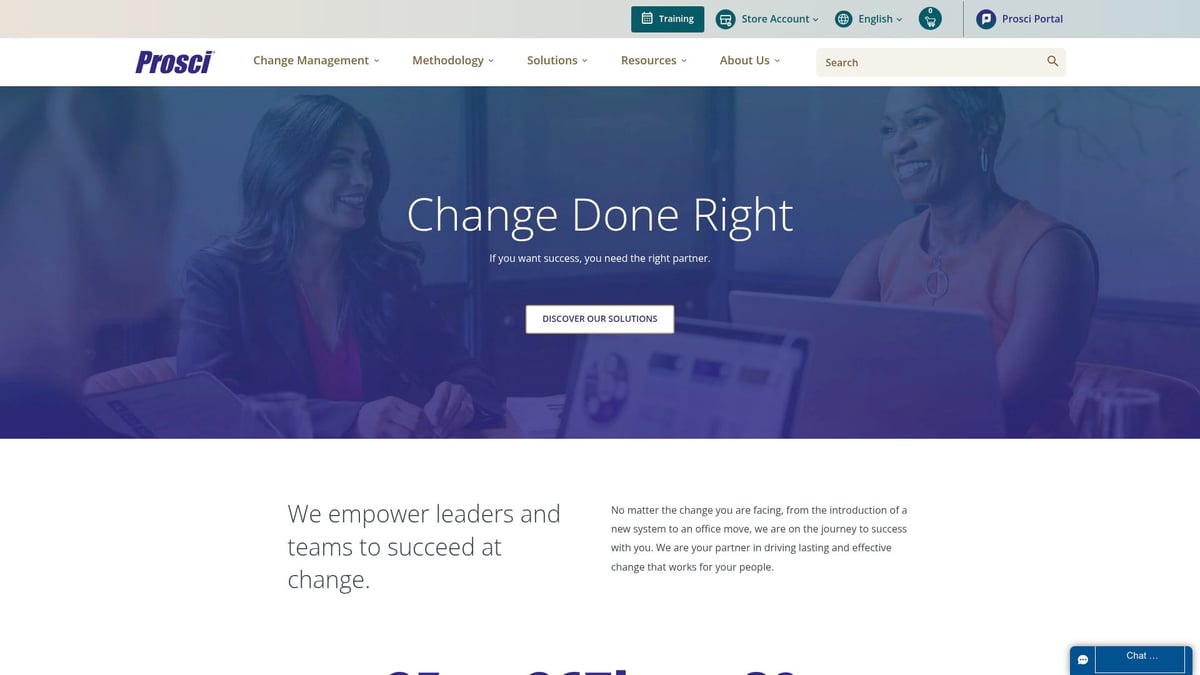
These management consulting tools help consultants plan and monitor change initiatives, ensuring high adoption rates and reducing resistance.
Key Benefits:
- Evidence-based frameworks for consistent results
- Scalable solutions for organizations of any size
- Integration with major project management platforms
Potential Drawbacks:
- Ongoing training is necessary for optimal use
Use Case: Prosci’s ADKAR tools enabled a manufacturing firm to implement a new ERP system smoothly, maximizing return on investment.
For HR leaders and project managers, these management consulting tools are indispensable for managing organizational change.
5. Advanced Data Analytics & Visualization Suites (e.g., Tableau, Power BI)
Data-driven decision-making is a hallmark of top-performing firms. Advanced analytics and visualization suites transform raw data into actionable insights, making them vital management consulting tools.
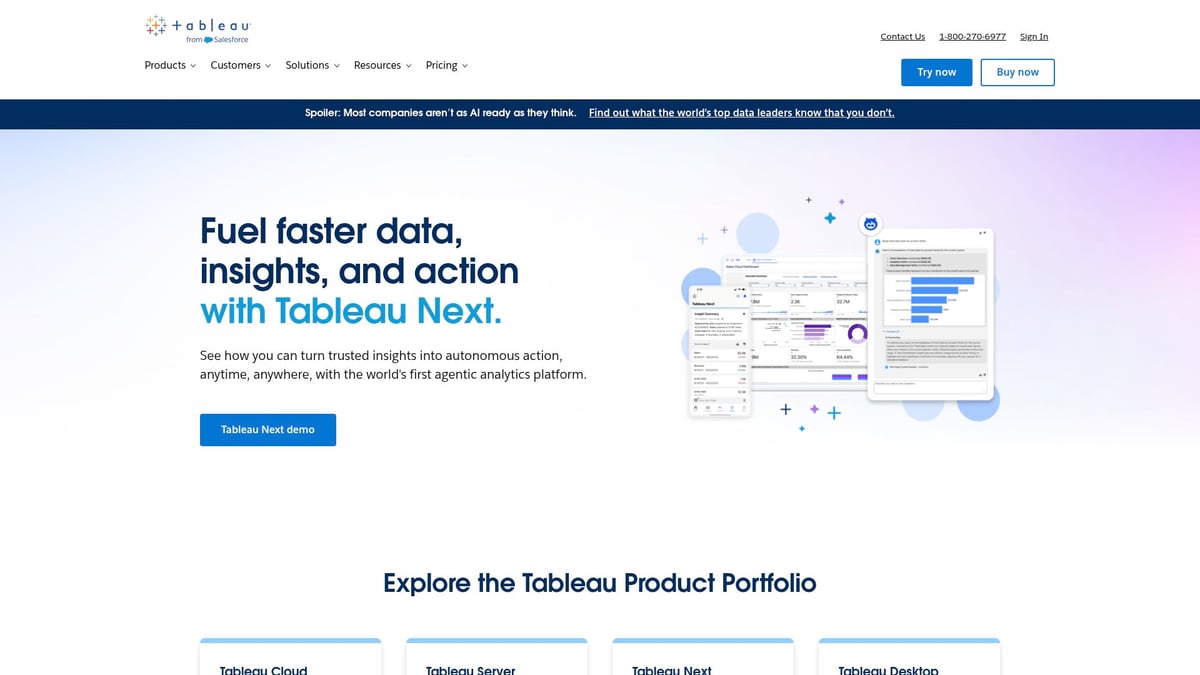
Features include interactive dashboards, predictive analytics, and AI/ML integration. Consultants can uncover trends, support real-time decisions, and drive performance improvements.
Key Benefits:
- Intuitive interfaces for quick adoption
- Customizable dashboards for diverse needs
- Strong user communities and support
Potential Drawbacks:
- Integration and data security challenges in complex environments
Use Case: Tableau was used to optimize the supply chain of a global manufacturer, resulting in significant efficiency gains.
These management consulting tools empower consultants to deliver clear, data-backed recommendations.
6. Lean Six Sigma Digital Platforms
Continuous improvement is essential in today’s competitive market. Lean Six Sigma digital platforms offer online DMAIC project management, process mapping, and real-time team collaboration.
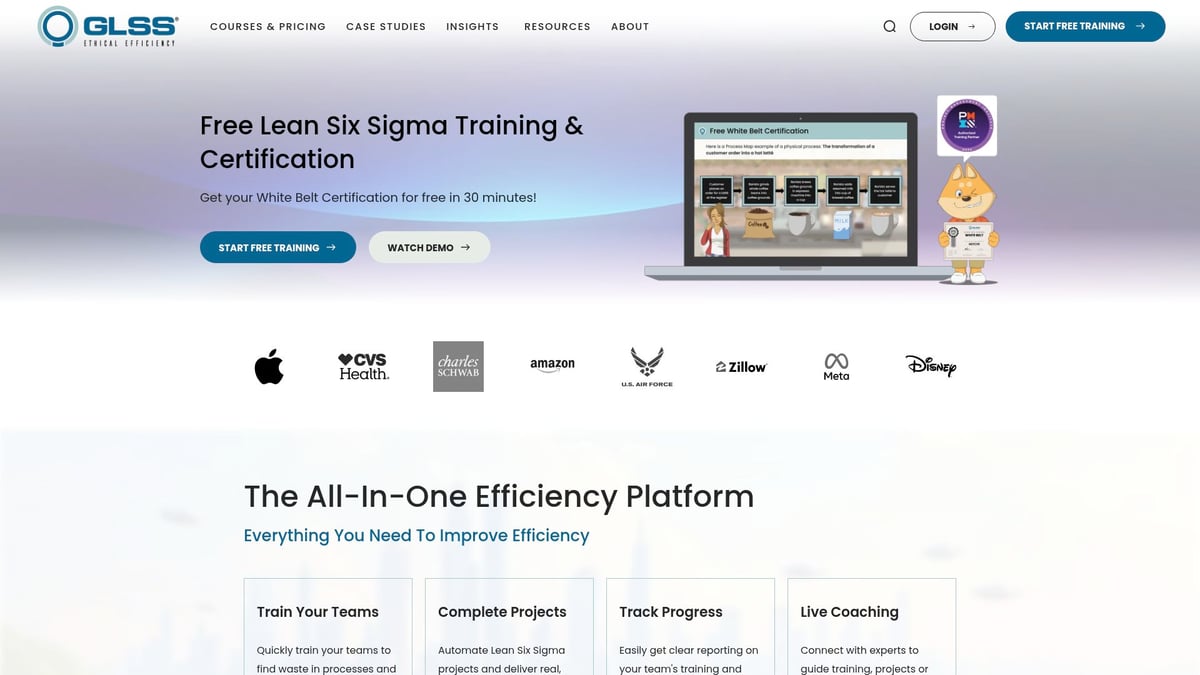
These management consulting tools streamline operations, eliminate waste, and drive productivity gains for organizations of all sizes.
Key Benefits:
- Scalable training modules for different team sizes
- Robust reporting and analytics
- Supports cultural shifts towards operational excellence
Potential Drawbacks:
- Cultural change required for full adoption
Use Case: Logistics companies have reduced cycle times and improved quality by embracing Lean Six Sigma platforms.
Management consulting tools like these are indispensable for process improvement consultants and quality managers.
7. Stakeholder Analysis & Engagement Tools
Effective stakeholder management is vital for project success. Stakeholder analysis and engagement management consulting tools provide mapping, influence grids, and communication planning modules.
Consultants use these tools to identify, prioritize, and manage stakeholders, reducing risks and enhancing project buy-in.
Key Benefits:
- Easy-to-use visualization features
- Supports multi-project and cross-functional teams
- Improves communication and alignment
Potential Drawbacks:
- Data accuracy is crucial for effectiveness
Use Case: These management consulting tools were instrumental in guiding a major infrastructure project through complex stakeholder landscapes.
Project managers and strategy consultants rely on these solutions to ensure alignment and minimize obstacles.
8. Scenario Planning & Simulation Software (e.g., Parmenides Eidos)
Uncertainty is a constant in business. Scenario planning and simulation management consulting tools like Parmenides Eidos allow organizations to model multiple futures, conduct risk analysis, and build resilience.
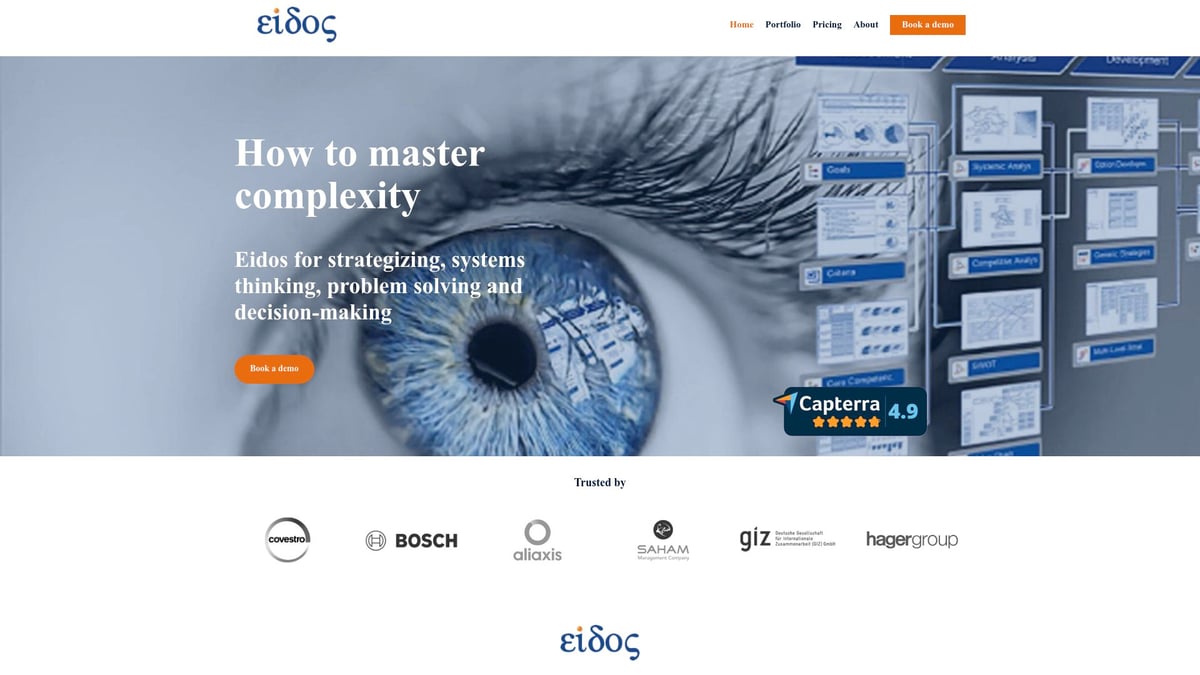
These sophisticated platforms enable consultants to stress-test strategies, facilitate strategic foresight, and support collaborative workshops.
Key Benefits:
- Advanced analytics and visualization
- Supports robust, evidence-based decision-making
- Ideal for executive and risk management teams
Potential Drawbacks:
- High cost and complexity for smaller teams
Use Case: Energy companies used scenario planning software in 2026 to navigate regulatory changes and market volatility.
Management consulting tools in this category are crucial for organizations preparing for an uncertain future.
How to Select and Implement the Right Consulting Tools
Choosing the right management consulting tools is a critical step for organizations aiming to thrive in 2026. The process requires a structured approach, including careful assessment, seamless integration, effective change management, and ongoing performance measurement.
Assessing Organizational Needs
Begin by conducting a thorough needs assessment to guide the selection of management consulting tools. Engage cross-functional stakeholders, including IT, operations, and leadership teams, to ensure diverse perspectives.
Map out current business processes and identify pain points that hinder efficiency or innovation. Consider organizational goals, such as digital transformation, operational excellence, or customer experience improvements. Use surveys, workshops, and interviews to gather input from various departments.
For example, a financial services firm might use this approach to pinpoint digital transformation gaps across business units. By aligning tool selection with strategic objectives, organizations can ensure management consulting tools deliver measurable value.
Integration with Existing Systems
When implementing new management consulting tools, compatibility with your existing technology stack is vital. Evaluate whether the tools support open APIs, allowing easy connection with platforms like ERP, CRM, or analytics suites.
Plan for data migration, ensuring data integrity and security are maintained during the transition. Assess user training requirements and the availability of vendor support. Prioritize platforms that offer robust documentation and responsive customer service.
For instance, integrating advanced analytics tools with legacy ERP systems can unlock real-time insights without disrupting operations. Proper integration ensures management consulting tools work harmoniously within your digital environment.
Change Management and Adoption
Successful adoption of management consulting tools relies on a robust change management strategy. Develop a clear implementation plan that addresses employee concerns and encourages buy-in at every level.
Provide comprehensive training and ongoing support to maximize tool utilization. Set measurable KPIs to track adoption rates and user engagement. Leveraging Change Management Training Insights can help organizations tailor their approach and boost success rates.
HR-led workshops and regular feedback sessions foster a culture of learning and adaptability. This ensures management consulting tools are embraced and integrated into daily workflows.
Measuring ROI and Continuous Improvement
Establish clear metrics to evaluate the impact of management consulting tools. Track cost savings, efficiency gains, and business outcomes using dashboards or scorecards.
Regularly review performance data and collect user feedback to identify areas for improvement. Use quarterly reviews to assess progress and adjust strategies as needed. Referencing Innovation Case Studies in Consulting can provide practical examples of how organizations have measured and achieved significant ROI.
This continuous feedback loop ensures management consulting tools remain aligned with evolving business needs and drive sustainable growth.
The Future of Management Consulting Tools: What’s Next?
The future of management consulting tools promises a landscape shaped by rapid technological advances and evolving client needs. As 2026 approaches, consultants must stay ahead of the curve by embracing new digital solutions and fostering a culture of agility and innovation.
Emerging Technologies to Watch
Cutting-edge technologies are redefining management consulting tools in 2026. Artificial intelligence and machine learning are driving smarter analytics and predictive modeling, enabling consultants to deliver deeper insights faster. Blockchain is gaining traction for secure data sharing and contract management, building trust in multi-party engagements. Virtual and augmented reality are transforming workshops, allowing teams to collaborate in immersive digital environments regardless of location.
For example, VR-enabled strategy sessions now bring global teams together for interactive planning. To learn more about how AI is shaping this transformation, see this overview of AI-Powered Strategy and Predictive Intelligence.
The Rise of Customizable, Modular Platforms
Organizations are demanding flexibility, and management consulting tools are evolving to meet this need. The shift from rigid, one-size-fits-all software to modular, customizable platforms is accelerating. These solutions allow consultants to assemble toolkits tailored to each client’s unique challenges, integrating analytics, project management, and change facilitation in a seamless workflow.
API-driven platforms now support plug-and-play integration, making it easier to adapt to existing systems. As a result, consultants can deliver more value and agility, staying responsive to rapidly changing business environments.
The Consultant’s Evolving Role
In 2026, the role of consultants is expanding far beyond traditional advisory services. With the integration of advanced management consulting tools, consultants are becoming technology orchestrators. They blend human expertise with digital capabilities, guiding clients through the selection, implementation, and optimization of sophisticated solutions.
Consultants now facilitate innovation sprints powered by AI, lead data-driven strategy sessions, and ensure that technology adoption aligns with organizational goals. This evolution enhances their impact and cements their position as trusted partners in transformation.
Building a Culture of Innovation and Learning
Sustained success with management consulting tools depends on more than just technology. Organizations must foster a culture of continuous learning, experimentation, and agility. Teams that regularly upskill and embrace new frameworks can adapt quickly to disruption and seize new opportunities.
Consulting leaders are promoting design thinking and innovation frameworks to embed these values across organizations. For practical approaches, explore Frameworks for Innovation Consulting, which highlights proven methods to drive ongoing improvement and competitive advantage.
As you look ahead to 2026 and consider which management consulting tools will keep your organization ahead of the curve, it’s clear that success hinges not just on technology, but on the ability to spot new opportunities and act on them with confidence. If you’re ready to discover where your business can unlock untapped growth or want to see how AI-powered strategic innovation can transform your results, let’s take the next step together. You can Book a Free Opportunity Assessment to explore actionable strategies tailored to your needs and position your organization for lasting success.