
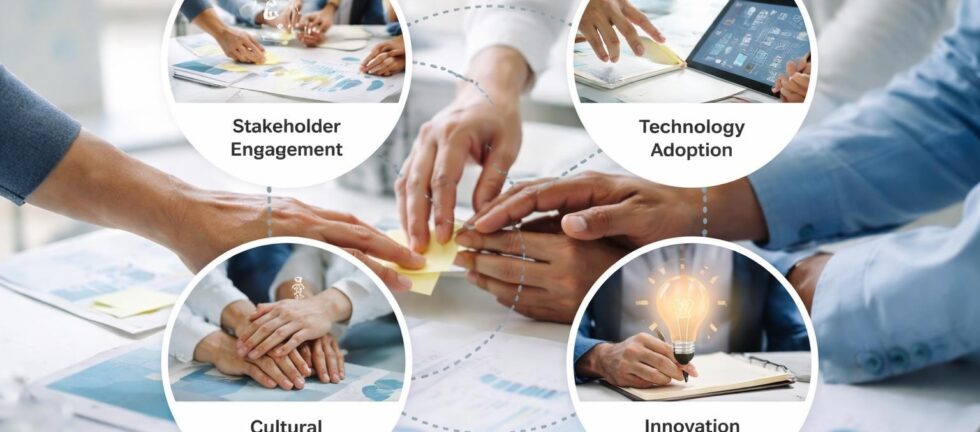
Organizations today face unprecedented pressure to evolve. Market disruptions, technological advancements, and shifting customer expectations create an environment where standing still means falling behind. Change consulting has emerged as a critical discipline that helps businesses navigate complex transformations while maintaining operational stability and employee engagement. Whether implementing new technologies, restructuring operations, or pivoting business models, the right consulting expertise can mean the difference between successful transformation and costly failure.
Understanding the Scope of Change Consulting
Change consulting encompasses far more than project management or strategic planning. It represents a comprehensive approach to organizational transformation that addresses technical, operational, and human dimensions simultaneously. Change management consulting focuses specifically on preparing and supporting individuals to adopt new ways of working, recognizing that technology and processes alone cannot deliver sustainable results.
The discipline has evolved significantly in recent years. Traditional approaches centered on linear implementation plans and top-down communication. Modern change consulting integrates behavioral science, data analytics, and continuous feedback loops to create adaptive transformation roadmaps. This evolution reflects deeper understanding of how organizations actually change, not just how consultants wish they would change.
Key Components of Effective Change Programs
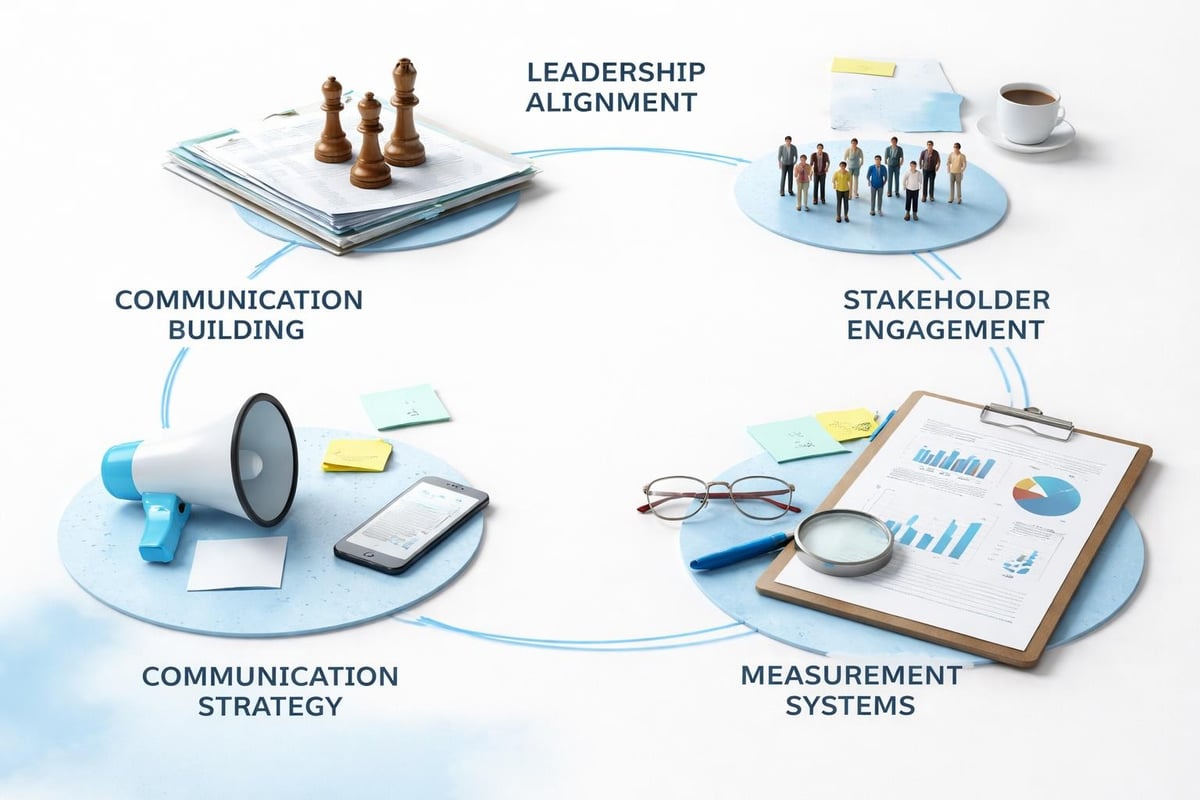
Successful transformations require multiple elements working in concert. First, leadership alignment ensures that executives speak with one voice about why change matters and what success looks like. Second, stakeholder engagement creates ownership across organizational levels, transforming potential resistors into active champions. Third, capability building equips teams with skills and knowledge needed for new ways of working.
Essential elements include:
- Clear vision and measurable objectives
- Structured communication frameworks
- Training and development programs
- Progress monitoring and adjustment mechanisms
- Recognition systems that reinforce desired behaviors
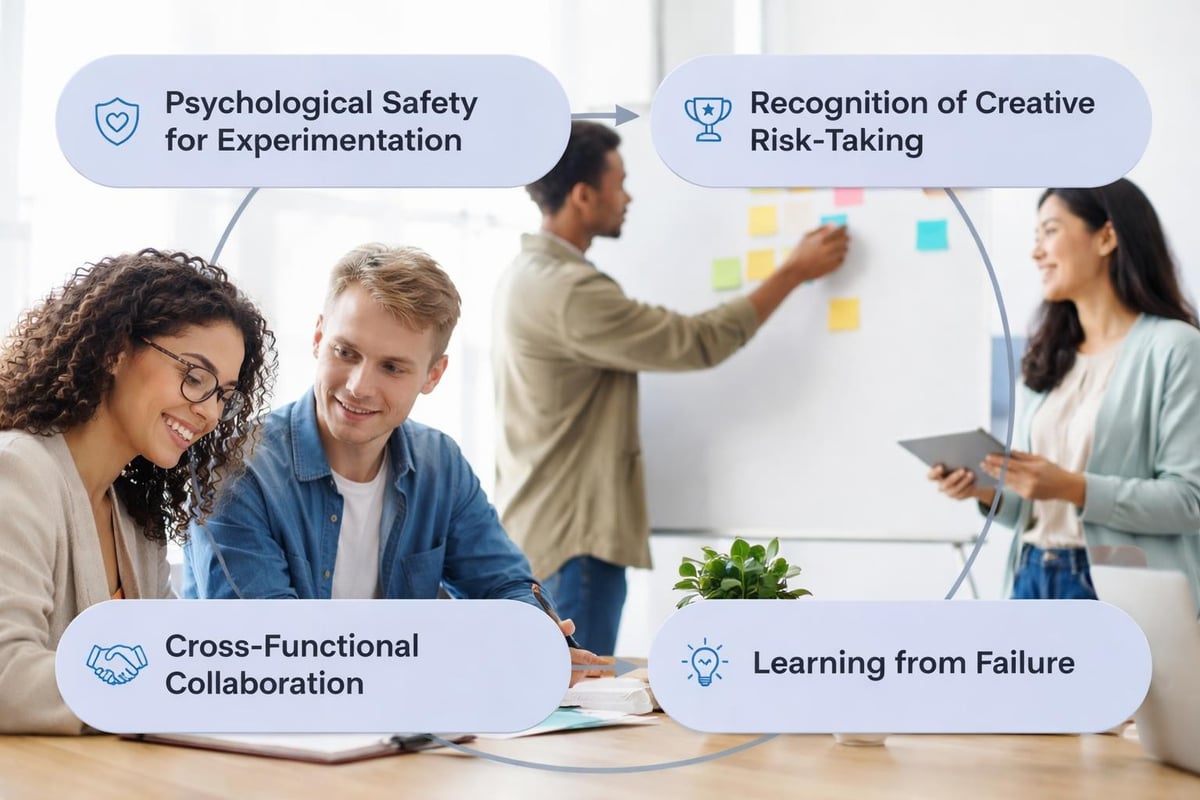
Organizations often underestimate the emotional dimension of transformation. Change consulting addresses fear, uncertainty, and loss that employees experience when familiar systems disappear. Consultants create psychological safety, allowing teams to experiment, fail, and learn without career-threatening consequences.
Strategic Approaches to Organizational Transformation
Different situations demand different methodologies. Merger integration requires different tactics than digital transformation or cultural change. Change consulting professionals assess organizational readiness, identify risks, and design customized approaches rather than applying one-size-fits-all templates.
The most effective consultants combine proven frameworks with situational flexibility. They understand change management best practices while recognizing when to deviate from standard playbooks. This balance between structure and adaptation separates successful transformations from those that stall or fail.
Diagnostic and Planning Phases
Before implementing anything, consultants must understand current state dynamics. This diagnostic work examines organizational culture, political landscapes, historical change experiences, and technical capabilities. Surveys, interviews, and data analysis reveal hidden obstacles and unexpected assets.
Diagnostic activities typically include:
- Stakeholder mapping and influence analysis
- Process and system documentation
- Cultural assessment and readiness evaluation
- Risk identification and mitigation planning
- Resource gap analysis
Planning translates diagnostic insights into actionable roadmaps. Consultants develop phased implementation plans that sequence initiatives strategically, building momentum through early wins while managing complexity. These plans specify roles, timelines, budgets, and success metrics, creating accountability and shared understanding.
Many organizations rush through planning, eager to show visible progress. This impatience often backfires. Change consulting emphasizes thorough preparation, recognizing that hours invested in planning save weeks or months of implementation problems. The business transformation strategy requires this deliberate, thoughtful approach to deliver sustainable results.
Implementation and Execution Excellence
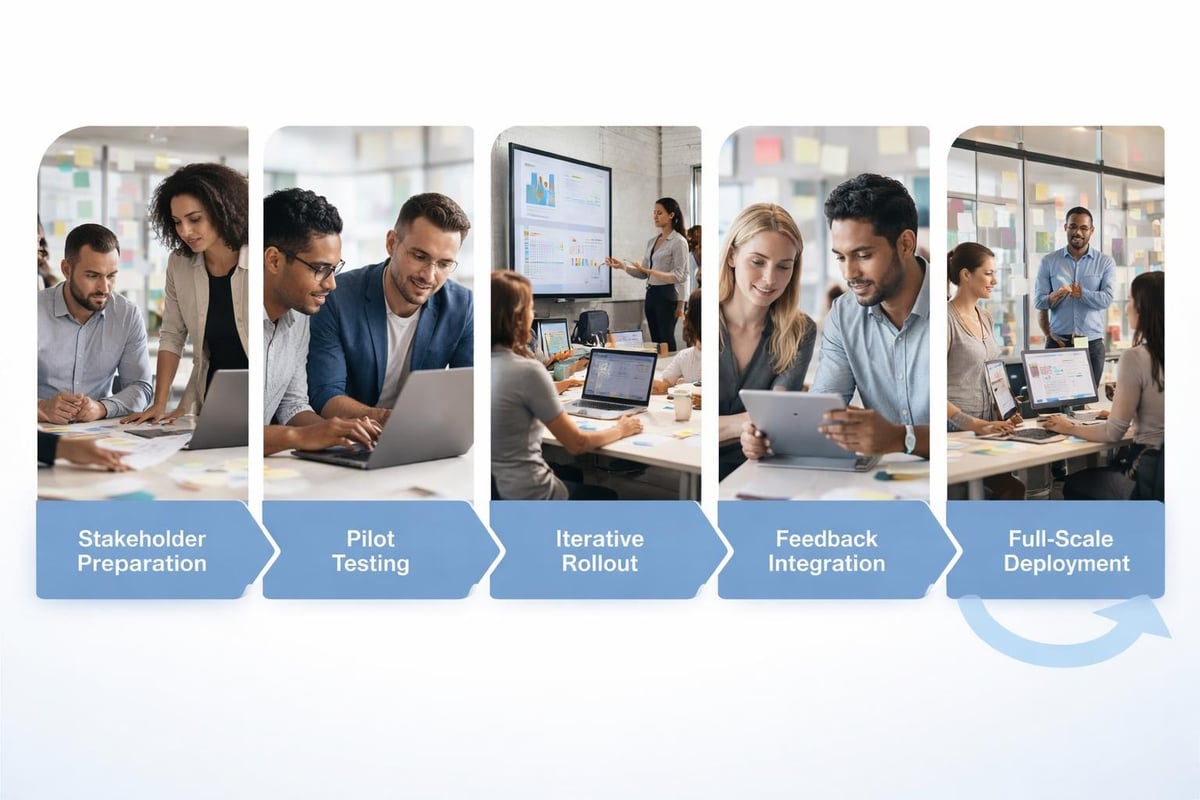
Planning matters, but execution determines outcomes. Change consulting shifts from analysis to action while maintaining flexibility to adjust based on real-world feedback. Implementation requires balancing adherence to the roadmap with responsiveness to emerging challenges.
Effective execution relies on strong governance structures. Steering committees provide executive oversight and decision-making authority. Working groups tackle specific workstreams, coordinating across functions. Regular cadence meetings ensure alignment and rapid problem resolution.
Managing Resistance and Building Momentum
Resistance represents natural human response to uncertainty and loss of control. Rather than viewing resistors as obstacles, skilled consultants recognize them as valuable sources of information about implementation flaws or overlooked concerns. Recent change management case studies demonstrate how addressing resistance constructively accelerates adoption and improves final outcomes.
| Resistance Type | Root Cause | Consulting Response |
|---|---|---|
| Rational | Legitimate concerns about feasibility | Provide data, pilot programs, adjust plans |
| Political | Power shifts or resource competition | Negotiate, clarify roles, create win-win scenarios |
| Emotional | Fear, loss, uncertainty | Listen, empathize, involve in solutions |
| Cultural | Values or identity conflicts | Bridge differences, honor traditions, co-create |
Building momentum requires celebrating progress while maintaining urgency. Quick wins demonstrate that change delivers benefits, not just disruption. Communication highlights success stories and recognizes contributors, creating positive associations with the transformation.
The integration of AI and automation into change initiatives has transformed how consultants work. Organizations pursuing AI strategy and implementation need consultants who understand both technical capabilities and human implications, ensuring technology serves organizational goals rather than driving them.
Measuring Impact and Sustaining Results
Transformation efforts fail when they lack clear success metrics or when organizations declare victory prematurely. Change consulting emphasizes measurement systems that track both leading indicators (behaviors, engagement) and lagging indicators (performance, outcomes). This dual focus enables course corrections before problems compound.
Consultants help organizations define meaningful metrics that connect to strategic objectives. Vanity metrics like training completion rates tell little about actual capability development or behavior change. Better metrics assess application of new skills, adoption of new processes, and achievement of business results.
Building Long-term Organizational Capability
The ultimate goal of change consulting extends beyond any single initiative. World-class consultants transfer knowledge and capabilities, building internal expertise that reduces dependence on external support. This capability building transforms change from episodic crisis management to continuous organizational competency.
Capability-building approaches include:
- Train-the-trainer programs that create internal change agents
- Documentation of methodologies and tools for future use
- Coaching leaders to sponsor and guide transformations
- Establishing centers of excellence for change management
- Integrating change skills into talent development programs
Organizations that invest in capability development achieve faster, more successful transformations over time. They build change resilience, adapting quickly to market shifts and competitive pressures. This organizational agility represents sustainable competitive advantage in volatile markets.
The connection between change capability and innovation capabilities runs deep. Organizations skilled at change can experiment with new business models, products, and customer experiences without fear that implementation will fail. This enables the strategic innovation that drives revenue growth and market leadership.
Integrating Change Consulting with Strategic Innovation
Forward-thinking organizations recognize that change consulting and strategic innovation represent two sides of the same coin. Innovation generates new opportunities and ideas. Change consulting translates those ideas into operational reality. Neither delivers value without the other.
This integration requires consultants who understand both strategic thinking and implementation excellence. They help organizations identify company growth opportunities while simultaneously building capability to capture those opportunities through effective execution.
Creating Innovation-friendly Organizational Cultures
Culture change represents perhaps the most challenging consulting engagement. Unlike process changes or system implementations, cultural transformation requires shifting deeply held beliefs, values, and behaviors. This work unfolds over months or years, not weeks.
Consultants facilitate cultural change through multiple interventions. They help leaders model desired behaviors, making the intangible tangible. They redesign systems and processes that reinforce old cultures, eliminating structural barriers to new ways of working. They create forums for dialogue where employees can question, challenge, and ultimately embrace new cultural norms.
The most successful transformations align culture, strategy, and operations into coherent systems. When strategy and transformation consultants coordinate their efforts, organizations achieve breakthrough results that isolated initiatives never deliver.
Selecting the Right Change Consulting Partner
Not all consulting firms deliver equal value in transformation engagements. Organizations must evaluate potential partners carefully, looking beyond credentials and case studies to assess cultural fit and methodological alignment.
Critical evaluation criteria include:
- Demonstrated expertise in your industry and transformation type
- Methodology that balances structure with flexibility
- Capability-building commitment, not just implementation services
- Cultural alignment with your organizational values
- Track record of sustained results, not just successful launches
The best consultants ask difficult questions during sales conversations. They probe for leadership commitment, resource availability, and appetite for difficult changes. This due diligence protects both parties from engagements likely to fail.
Size matters less than expertise and fit. While large firms offer deep resources and global reach, specialized boutiques often provide more customized attention and innovation. Organizations should evaluate firms based on the specific team assigned to their engagement, not just corporate reputation.
Firms specializing in innovation consulting and strategic growth bring unique perspectives to transformation challenges. They view change not as isolated initiatives but as strategic capabilities that enable continuous evolution and market leadership.
Common Pitfalls and How to Avoid Them
Even well-planned transformations encounter obstacles. Understanding common failure patterns helps organizations anticipate and address problems before they derail initiatives.
| Pitfall | Warning Signs | Prevention Strategy |
|---|---|---|
| Insufficient leadership commitment | Executives delegate responsibility downward | Secure visible, active sponsorship before starting |
| Underestimating scope and timeline | Aggressive schedules with limited resources | Conduct realistic assessment and plan accordingly |
| Poor communication | Rumors, confusion, inconsistent messages | Develop comprehensive communication plan early |
| Neglecting cultural factors | Focus only on technical and process changes | Integrate cultural assessment and interventions |
| Declaring victory too early | Celebrating launch without confirming adoption | Measure sustained behavior change and results |
Change fatigue represents another significant risk. Organizations that launch multiple transformation initiatives simultaneously overwhelm employees and dilute focus. Effective change consulting includes portfolio management, ensuring that initiatives are sequenced and resourced appropriately.
The human tendency to revert to familiar patterns under stress requires explicit attention. Consultants build reinforcement mechanisms that sustain new behaviors even when pressure mounts. These mechanisms include updated performance metrics, modified reward systems, and ongoing coaching support.
Understanding the theoretical foundations helps practitioners navigate complexity. While practical experience matters enormously, grounding work in established change management theory provides frameworks for diagnosing problems and designing interventions.
The Future of Change Consulting Practice
The consulting profession continues evolving as organizational challenges grow more complex. Several trends are reshaping how consultants approach transformation work in 2026 and beyond.
Artificial intelligence and machine learning enable more sophisticated analysis of organizational dynamics. Consultants use these tools to predict resistance, identify influential stakeholders, and personalize communication strategies. However, technology complements rather than replaces human judgment and relationship-building skills.
Emerging trends include:
- Data-driven change management using analytics and AI
- Agile transformation methodologies adapted from software development
- Increased focus on employee experience and well-being
- Integration of sustainability and social impact into change initiatives
- Virtual and hybrid change programs for distributed organizations
The shift toward modernized change management approaches reflects recognition that traditional methods designed for stable environments struggle with today's volatility. New approaches embrace experimentation, rapid iteration, and distributed decision-making.
Organizations building internal change capabilities through training programs and workshops position themselves for long-term success. These investments create self-sufficiency, enabling faster response to market opportunities and competitive threats.
Industry-specific Considerations
While core principles apply universally, different industries face unique transformation challenges requiring specialized expertise. Healthcare organizations navigate regulatory requirements and clinical workflow complexities. Financial services firms balance innovation with risk management and compliance. Manufacturing companies integrate digital technologies with physical operations.
Consultants who understand industry-specific contexts deliver more relevant recommendations and anticipate sector-specific obstacles. This domain expertise accelerates implementation and reduces risk of costly mistakes.
Technology companies often move fastest on transformation initiatives but may struggle with people and cultural dimensions. Established enterprises in traditional industries possess deep change management experience but may need help with digital innovation. Effective consultants adapt their approach to organizational maturity and industry dynamics.
Organizations exploring new market opportunities across different industries benefit from consultants who can translate best practices while respecting sectoral differences. This cross-industry perspective sparks innovation while maintaining practical feasibility.
Successful organizational transformation requires more than good ideas and strong leadership. It demands systematic approaches that address technical, operational, and human dimensions while building long-term change capabilities. The most effective transformations occur when organizations partner with consultants who combine proven methodologies with strategic innovation expertise. Six Paths Consulting helps ambitious leaders navigate complex transformations while discovering new growth opportunities through AI-powered strategic innovation, building the capabilities your organization needs to thrive in constantly evolving markets.