
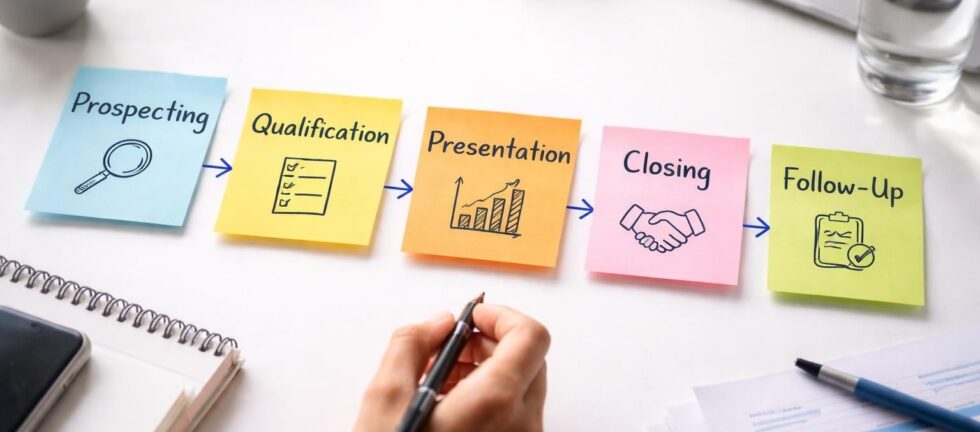
Revenue growth depends on more than individual talent. Organizations that systematically develop their sales capabilities through structured sales process training outperform competitors by establishing repeatable methodologies that drive consistent results. As markets evolve and buyer behaviors shift, companies must equip their teams with frameworks that adapt to changing conditions while maintaining focus on customer value creation. This strategic approach to capability building transforms sales from an art into a science, enabling businesses to scale growth predictably.
Understanding the Foundation of Effective Sales Process Training
Sales process training establishes the systematic approach teams need to move prospects through each stage of the buyer journey. Unlike generic motivational sessions, effective training programs focus on repeatable methodologies grounded in behavioral research and customer psychology.
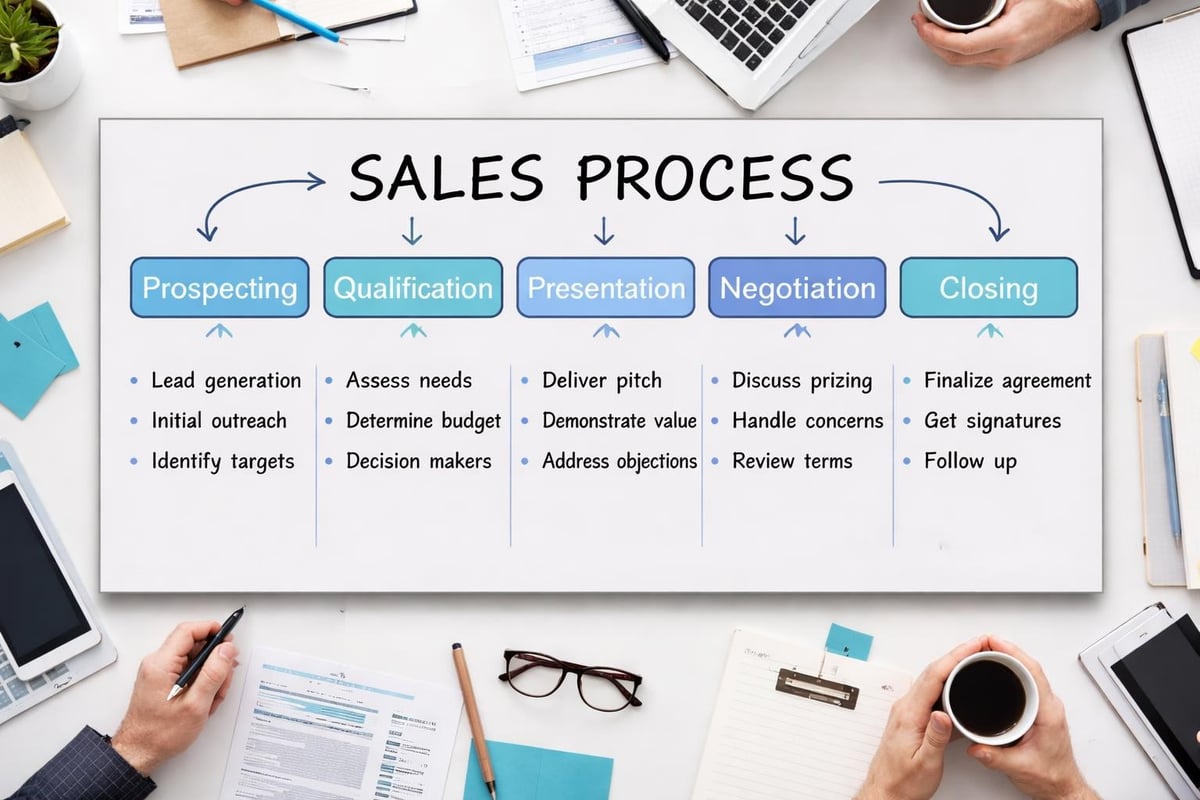
The foundation begins with mapping your current sales process to identify gaps between existing practices and optimal performance. This diagnostic phase reveals where teams struggle most, whether in prospecting, qualification, presentation, or closing stages.
Key components of foundational training include:
- Clear definition of each sales stage with entry and exit criteria
- Qualification frameworks that help teams focus on winnable opportunities
- Value-based selling techniques aligned with customer outcomes
- Objection handling strategies rooted in customer concerns
- Closing techniques that feel natural rather than forced
Organizations implementing structured sales training best practices report significant improvements in conversion rates and deal velocity. The methodology matters less than consistent application across the team.
Aligning Sales Process Training with Innovation Strategy
For innovation-focused organizations, sales process training must extend beyond traditional methodologies to incorporate strategic thinking about market opportunities and value creation. Teams need capabilities to identify white space, articulate differentiated value propositions, and guide customers through unfamiliar buying decisions.
Integrating Strategic Innovation into Sales Conversations
Sales professionals working with innovative solutions face unique challenges. Buyers may not recognize they have the problem your innovation solves, or they may lack frameworks for evaluating novel approaches. Training must equip teams to educate markets while advancing opportunities.
This requires developing expertise in several areas:
| Capability Area | Training Focus | Business Impact |
|---|---|---|
| Market Education | Teaching teams to diagnose unrecognized problems | Expands addressable market |
| Value Articulation | Connecting features to measurable business outcomes | Justifies premium pricing |
| Stakeholder Mapping | Identifying economic buyers and influencers | Accelerates decision cycles |
| Risk Mitigation | Addressing adoption barriers proactively | Increases win rates |
Innovation strategy consulting principles inform how sales teams position breakthrough solutions. Rather than leading with product features, trained representatives start with strategic business challenges and work backward to demonstrate relevance.
The connection between value proposition design and sales execution becomes critical. Teams must understand not just what you sell, but why it matters in the context of each customer's specific situation.
Building Comprehensive Training Programs
Effective sales process training extends far beyond one-time workshops. Comprehensive training programs require ongoing development, reinforcement, and adaptation based on performance data.
Structuring Multi-Phase Learning Paths
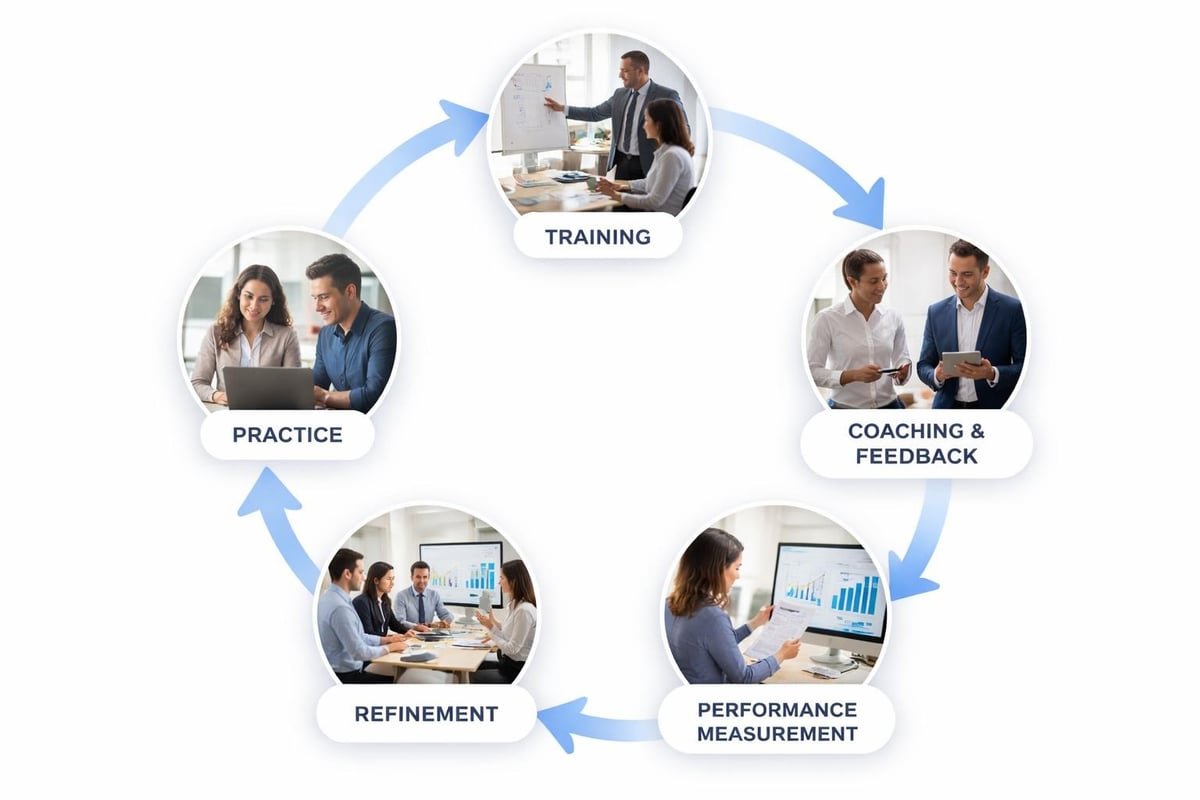
Modern sales training follows a structured progression that builds capabilities systematically:
- Foundation Phase: Core methodology, process stages, and fundamental skills
- Application Phase: Role-playing, scenario practice, and supervised fieldwork
- Reinforcement Phase: Coaching sessions, peer learning, and performance reviews
- Advanced Phase: Strategic selling, complex negotiations, and account planning
- Mastery Phase: Teaching others, process improvement, and innovation
Each phase incorporates different learning modalities to maximize retention and application. Research shows that combining multiple approaches yields better outcomes than relying solely on classroom instruction.
Short practice sessions distributed over time outperform intensive boot camps. The brain needs time to consolidate learning, and representatives need opportunities to test concepts in real situations before advancing.
Leveraging Technology and AI-Powered Insights
Technology platforms now enable personalized learning paths that adapt to individual skill gaps and learning speeds. AI-powered analytics identify which techniques correlate with successful outcomes, allowing trainers to refine methodologies based on actual performance data.
Conversation intelligence tools analyze customer interactions to surface patterns in successful calls versus lost opportunities. These insights inform training priorities by revealing what actually works in the field rather than relying on theoretical frameworks.
Virtual reality simulations create safe environments for practicing difficult conversations. Representatives can rehearse objection handling, pricing discussions, and stakeholder negotiations without risking real deals. Studies on virtual reality training demonstrate significant skill improvement through immersive practice.
Implementing Behavior Change Methodologies
Knowledge transfer alone rarely changes behavior. Effective sales process training incorporates principles from behavioral science to ensure representatives actually apply what they learn.
The gap between knowing and doing represents the biggest challenge in sales development. Representatives may understand the ideal approach but default to familiar patterns under pressure.
Behavior change requires multiple interventions:
- Immediate application opportunities following training sessions
- Manager reinforcement through joint calls and deal reviews
- Peer accountability systems that celebrate progress
- Measurement systems that track adoption of trained behaviors
- Recognition programs tied to methodology application
Sales enablement best practices emphasize the importance of manager involvement in driving sustained behavior change. When frontline leaders reinforce training concepts during coaching conversations, adoption rates increase dramatically.
Creating job aids that simplify complex processes helps representatives apply learning in the moment. Rather than memorizing extensive frameworks, teams can reference quick guides during customer interactions.
Measuring Training Effectiveness and ROI
Organizations investing in sales process training must quantify impact to justify ongoing investment and identify improvement opportunities. Measurement frameworks should track leading and lagging indicators across multiple dimensions.
Establishing Key Performance Metrics
Effective measurement goes beyond training completion rates to assess business outcomes. Start by establishing baseline metrics before training, then track changes over subsequent quarters.
| Metric Category | Specific Measures | Target Improvement |
|---|---|---|
| Activity Metrics | Qualified meetings, proposals submitted | 20-30% increase |
| Conversion Rates | Stage progression, win rates | 15-25% improvement |
| Deal Quality | Average deal size, margin retention | 10-20% growth |
| Velocity | Sales cycle length, time-to-productivity | 15-30% reduction |
| Skills Adoption | Methodology adherence, certification rates | 80%+ compliance |
The research methodology employed by leading training organizations emphasizes measuring behavioral change rather than satisfaction scores. Representatives may enjoy training sessions without changing how they sell.
Leading indicators provide early signals about training effectiveness. If representatives aren't scheduling more qualified meetings or advancing opportunities faster, the training may not be translating to field behavior.
Continuous Improvement Through Feedback Loops
High-performing organizations treat sales process training as an iterative capability rather than a fixed program. Regular feedback collection from participants, managers, and customers informs ongoing refinement.
Quarterly business reviews should examine training impact alongside other strategic initiatives. This elevates sales development from a tactical HR function to a strategic revenue driver.
Scaling Training Across Growing Organizations
As organizations expand, maintaining consistent sales process training quality becomes increasingly complex. Scaling training programs requires systematization without sacrificing effectiveness.
Building internal training capabilities reduces dependency on external vendors while creating career paths for top performers. Certified internal trainers understand company-specific contexts and can customize content for different segments or regions.
Documentation systems capture institutional knowledge about what works. Rather than relying on individual expertise, successful organizations codify best practices into playbooks that evolve based on ongoing learning.
Onboarding programs set the foundation for new hires, introducing them to sales processes before they engage customers. Structured 30-60-90 day plans with clear milestones accelerate time-to-productivity while ensuring consistency.
Regional and product-specific adaptations maintain relevance:
- Customized scenarios reflecting local market conditions
- Industry-specific value propositions and case studies
- Product training integrated with process methodology
- Cultural considerations for global teams
- Specialized tracks for different sales roles
Organizations offering sales training workshops can accelerate capability building by combining external expertise with internal knowledge transfer.
Addressing Common Implementation Challenges
Even well-designed sales process training programs encounter obstacles during implementation. Anticipating and planning for common challenges increases likelihood of successful adoption.
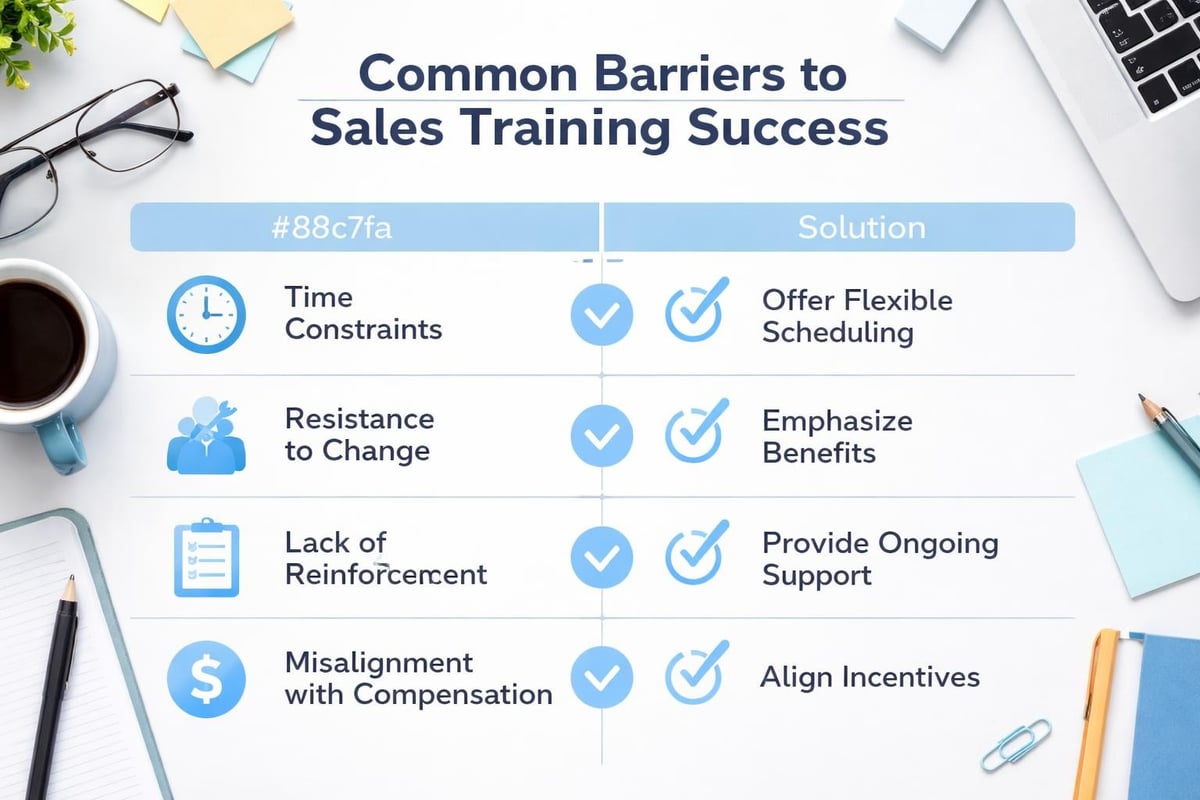
Resistance from experienced representatives represents a frequent barrier. Top performers may view training as unnecessary or feel threatened by standardization. Involving them in program design and recognizing their expertise reduces resistance while improving content quality.
Time constraints create another challenge. Sales leaders hesitate to pull teams out of the field, especially during critical periods. Asynchronous training approaches allow representatives to learn at their own pace without sacrificing selling time.
Lack of manager buy-in undermines even excellent programs. When frontline leaders don't reinforce training concepts or hold teams accountable for application, representatives revert to old habits. Leadership alignment before launch ensures consistent messaging and support.
Integrating Sales Process Training with Broader Business Strategy
Sales process training delivers maximum value when aligned with organizational strategy rather than operating as a standalone initiative. Strategy and transformation consulting principles suggest that capability building should flow directly from strategic priorities.
If your strategy emphasizes penetrating new markets, training should equip teams with market entry skills and industry-specific knowledge. When the focus shifts to account expansion, training pivots toward relationship management and solution selling.
Revenue growth targets require corresponding capability investments. Organizations can't expect teams to deliver different results using the same approaches. Strategic sales process training bridges the gap between current performance and future objectives.
Cross-functional alignment ensures sales training complements marketing programs, product development priorities, and customer success initiatives. When these functions operate from shared frameworks, customers experience consistency across touchpoints.
The connection between business model transformation and sales capabilities becomes particularly important during major strategic shifts. Teams selling subscription models require different skills than those selling one-time transactions.
Developing Specialized Capabilities for Complex Sales
Organizations selling sophisticated solutions or serving enterprise customers need advanced sales process training that addresses unique complexity. Standard methodologies require enhancement to handle longer cycles, multiple stakeholders, and intricate decision processes.
Strategic account management demands skills in opportunity orchestration, executive relationship building, and multi-year planning. Training programs must develop these capabilities through extended learning paths and mentorship from experienced practitioners.
Solution selling requires deep understanding of customer operations and the ability to configure offerings that address specific situations. Representatives need frameworks for diagnosing problems, designing solutions, and quantifying business impact.
Consensus building across buying committees represents another advanced capability. Training should address stakeholder analysis, coalition building, and navigating organizational politics without compromising integrity.
Cultivating Strategic Thinking in Sales Teams
The most effective sales professionals think strategically about customer success and market dynamics. Training programs should develop this strategic orientation through case studies, business simulation exercises, and exposure to business frameworks used in strategy consulting.
Teaching teams to recognize patterns across customers enables them to identify broader market trends. This intelligence informs product development, positioning strategies, and market entry decisions.
Representatives who understand competitive dynamics can position offerings more effectively and anticipate objections. Strategic awareness transforms order-takers into trusted advisors who help customers navigate complex decisions.
Creating Sustainable Learning Cultures
Long-term success with sales process training requires embedding continuous learning into organizational culture. One-time initiatives create temporary lifts, but sustainable performance improvement demands ongoing development.
Regular skill-building sessions maintain momentum between major training events. Monthly workshops, weekly tips, and daily micro-learning modules keep concepts fresh and introduce incremental improvements.
Peer learning communities allow representatives to share experiences, problem-solve collectively, and accelerate knowledge transfer. Structured discussion forums or regular knowledge-sharing sessions tap into team expertise.
Elements of sustainable learning cultures include:
- Leadership modeling of continuous improvement
- Time allocated specifically for skill development
- Recognition for learning achievements and application
- Resources readily available for just-in-time learning
- Safe environments for experimentation and failure
Organizations that view sales process training as an ongoing investment rather than a discrete project maintain competitive advantages through superior execution capabilities.
Sales process training represents a strategic investment in repeatable revenue growth. By implementing structured methodologies, measuring impact rigorously, and aligning training with business strategy, organizations build capabilities that compound over time. Six Paths Consulting partners with ambitious leaders to develop sales capabilities that drive sustainable revenue growth through AI-powered strategic innovation and comprehensive training programs that build in-house expertise for long-term success.